



Cleusin was an affluent and powerful city in the reign of the Etruscan and mysterious Porsenna, and the mightiest of the lucumonies in the Etruscan Dodecapolis. Today’s Chiusi does not shy away from its ancient memories, so much and precious is the evidence of that distant, epic and successful period in its history.
The maximum splendour was seen between the late 7th and early 6th centuries BC but its lasting role left traces in the Roman Clusium; in the early Christian presence, with the catacomb memories of the noblewoman Mustiola, martyred in the 3rd century and now the town’s patron saint; and in the Longobard duchy of the mid 4th century. It eventually declined with the paludification of Valdichiana and the territorial curtailments imposed by enemy towns.
Evidence of the Etruscan period is visible today in the necropolises outside the walls, in the Porsenna labyrinth and in the Museo Archeologico Nazionale, a treasure trove of exhibits drawn from local excavations.
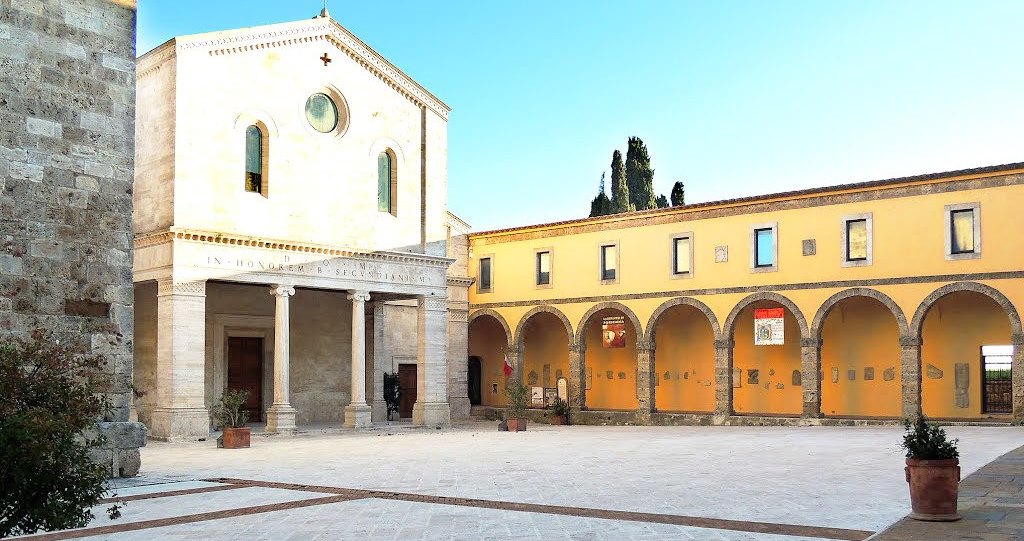
Opposite the museum stands the Cathedral of San Secondiano, founded in the 6th century, reworked in the 12th, then extensively restored in the 18th and 19th centuries. The adjacent Museo della Cattedrale conserves archaeological finds, goldsmithery, objects for liturgical use, panels and works by numerous artists.